Malaysia Time · UTC+8
Sunrise 06:21Sunset 18:25
Sun times for KuchingMorning markets and longhouse conversations. Handwoven stories and the sound of the sape. Come for the scenery. Stay for the way of life.
Explore culture & lifestyle A visual guide to Malaysian Borneo · Photography credits Living heritage, shared with you
 Check the skies before you step outside.
Malaysia Time · UTC+8
Overcast
Feels like 34°CData time · 20 Oct, 10:00 MYT
Moderate
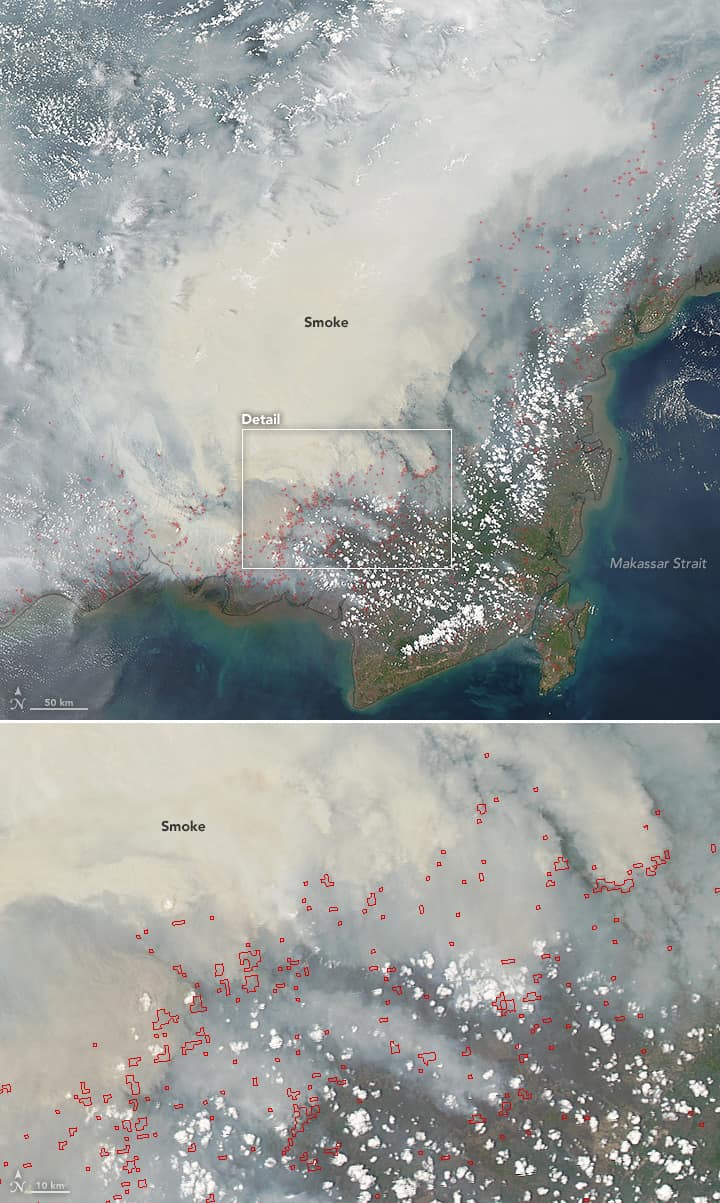
An air-quality estimate, not Malaysia’s official API or confirmation of smoke haze.
Check official APIMS ↗Data time · 20 Oct, 10:00 MYT
Weather feels different by the river, in the city and beneath the rainforest canopy. Check conditions, then choose your pace.
31° / 24°
32° / 24°
32° / 23°

The state's youth entrepreneurship programme has now run in Kuching, Miri and Sibu, with a RM3 million grant pool and a RM25 million soft-loan line approved behind it.
Explore 24 curated destinations across nine kinds of experience — search by place, switch map views and open a local guide.
Beaches, bridges and the city in 4K — drone films from our YouTube channel.
A taste of local life, a journey into nature, or the stories shaping Sarawak.
 Business
 Crime & Courts
 Culture
Festivals, traditions and heritage of Sarawak.
11 stories Events
What's happening around Sarawak.
5 stories Food
FoodKolo mee, laksa Sarawak and everything in between.
2 stories Nature
Rainforests, rivers and wildlife.
7 storiesNews Politics
 Sports
 Travel
Places to go across the Land of the Hornbills.
12 storiesScenes from Sarawak, selected to introduce each topic. Photography credits ↗
River mornings, rainforest trails and a place at the breakfast table.
 AI-generated illustrationInspired by the Sarawak RiverA slower kind of morning
  AI-generated illustrationInspired by Sarawak’s rainforestsWhere the forest breathes
  AI-generated illustrationInspired by a Kuching kopitiamGood mornings begin here
 Original illustrations generated with ChatGPT, inspired by Sarawak. Artistic impressions, not documentary photographs. About the images ↗
Music that moves you. Food worth sharing. Traditions that bring us together.
 Culture
Across Sarawak
A time to give thanks, return home and celebrate the ties that bring communities together.
Explore the festival Music
MusicSarawak Cultural Village, Damai
A meeting of musical traditions, with the rainforest foothills of Santubong as its setting.
Explore the festival Culture
Sibu Town Square, Sibu
Discover Sibu through an evening of shared traditions, cultural performances and community spirit.
Explore the festival Food
FoodMBKS grounds, Kuching
An invitation to eat, explore and enjoy Kuching’s appetite for a good community celebration.
Explore the festivalExplore our festival guides and dated editions. Future programmes are linked when announced. Photography credits ↗